
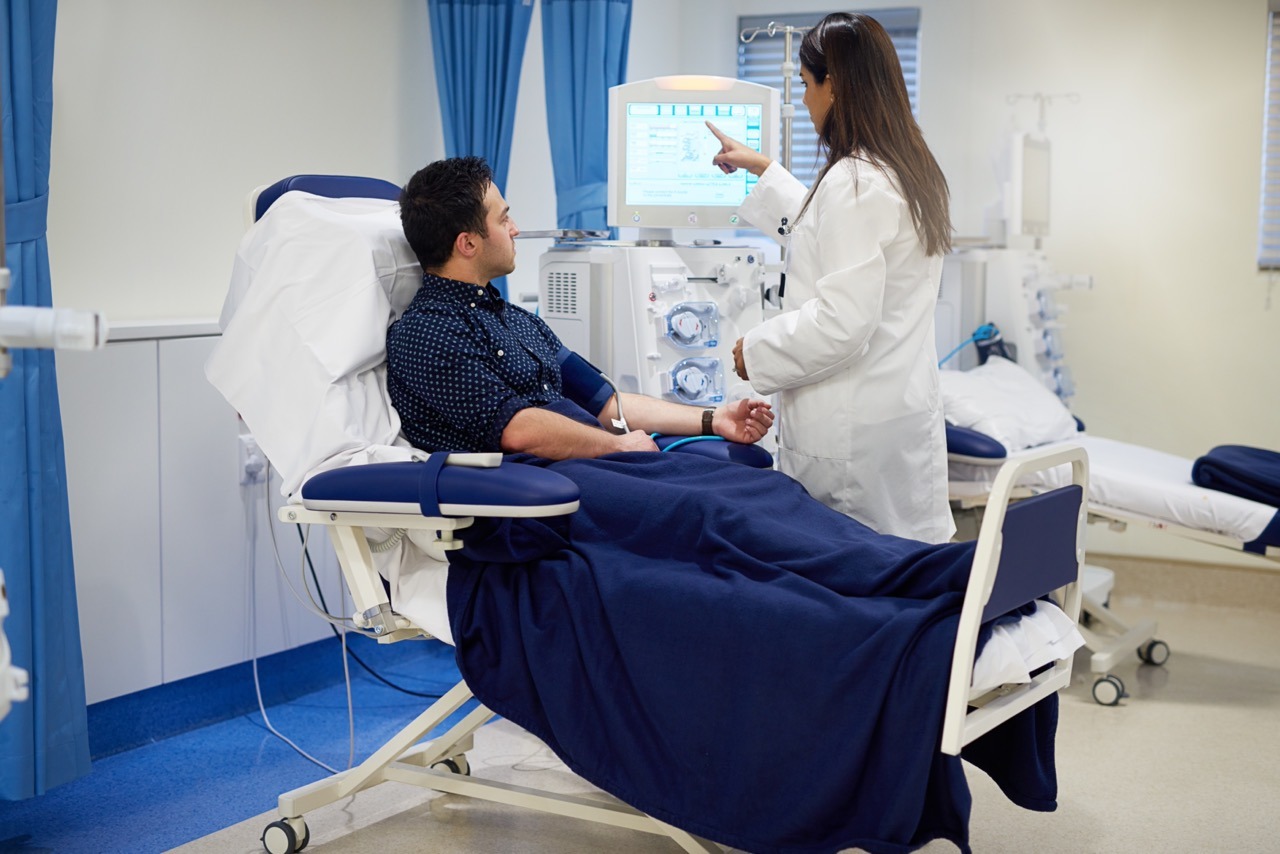
Dialysis centers are among the most medically complex outpatient environments in healthcare. Three times per week, patients whose kidneys have failed arrive for treatments that are not optional and cannot be delayed without serious clinical consequences. The treatment itself is technically demanding, involving precise machine settings, careful monitoring of fluid removal, and the management of medications including anticoagulants that require accurate weight-based dosing and real-time clinical adjustment.
In most conversations about healthcare downtime preparedness, dialysis centers are invisible. The focus is on hospitals: the emergency department, the ICU, the nursing floor. Dialysis centers are outpatient settings that do not fit neatly into either the hospital or the primary care downtime framework, and as a result they tend to receive neither the hospital-grade downtime infrastructure nor the simpler outpatient preparedness that a primary care clinic might implement. The result is a clinical environment with high patient acuity and no adequate downtime backup.
What Makes Dialysis Downtime Different
Several characteristics of the dialysis center environment create downtime risks that do not apply in most other outpatient settings:
- Treatment is non-deferrable: Unlike an appointment for a follow-up visit or a routine screening, a dialysis treatment cannot simply be postponed because the EHR is unavailable. Patients who miss a scheduled treatment face serious clinical consequences including fluid overload, electrolyte imbalances, and cardiovascular risk. The clinical team must be able to proceed with treatment regardless of system status
- Patient-specific machine settings are critical: Each patient’s dialysis treatment involves individualized machine parameters including dialysate composition, blood flow rate, dialysate flow rate, ultrafiltration goal, and treatment duration. These parameters are based on the patient’s current clinical status, recent lab values, and the nephrologist’s orders. Without access to current orders and parameters in the EHR, the treatment team is working from memory or from the most recent printed orders, which may not reflect recent changes
- Medication administration is high-risk: Medications commonly administered during dialysis, including erythropoiesis-stimulating agents, iron supplements, heparin for anticoagulation, and blood pressure medications, require accurate weight-based dosing and real-time clinical decision-making. Access to the current medication record and recent lab values is essential for safe administration decisions
- Lab result dependency: Dialysis treatment decisions are closely tied to recent lab values including potassium, phosphorus, hemoglobin, and ferritin levels. The nephrologist’s orders for a given treatment often reflect the most recent labs, and access to those results is important for the treatment team to understand the clinical rationale for the ordered parameters
- High-volume patient scheduling: A typical dialysis center may treat 20 to 40 patients per day across multiple shifts. Each patient needs to be checked in, their treatment parameters confirmed, their medication administration documented, and their treatment outcomes recorded. Without electronic support, this volume of documentation quickly becomes unmanageable
What Breaks in a Dialysis Center During an EHR Outage
When the EHR goes offline at a dialysis center, the specific workflow failures include:
- The ability to confirm current treatment orders and machine parameters for each patient is lost, requiring staff to work from printed or handwritten records that may not be current
- Medication administration records are unavailable, creating risk for every medication administered during the outage period
- Patient check-in and verification workflows that rely on the EHR stop functioning, slowing patient throughput and potentially creating identification errors
- Documentation of treatment parameters, vital sign monitoring during treatment, and treatment outcomes cannot be entered into the EHR in real time
- Charge capture for the treatment session is disrupted, which in a setting where every treatment is a billable event with specific documentation requirements for CMS reimbursement creates significant revenue cycle exposure
- Communication with the nephrology practice, the referring hospital, and any other providers involved in the patient’s care is disrupted if those communication channels run through the EHR
What a Dialysis-Specific Downtime Plan Must Include
A downtime plan for a dialysis center needs to address the specific clinical and operational workflows of this environment:
- Pre-treatment order sheets printed at the start of each shift and maintained as a reference during any outage, with a defined process for updating them when orders change during the shift
- Downtime workstations with current patient data accessible through the HL7 feed, including medication records, recent lab values, and the most recent treatment parameters synchronized from the EHR before the outage began
- dbtech’s eForms configured with dialysis-specific documentation forms including treatment parameter documentation, intradialytic vital sign monitoring records, medication administration records, and treatment summary forms that capture the information required for CMS reimbursement documentation
- A defined medication administration protocol for the downtime period that specifies how medication decisions are made when the EHR MAR is unavailable, including who has authority to confirm dosing from alternative sources and how that confirmation is documented
- A patient identification protocol that maintains the two-identifier verification process during an outage, including barcoded wristband printing capability through dbtech’s Downtime Solution for patients who need to be newly identified or re-banded during the outage period
- A charge capture documentation process for the downtime period that ensures all treatment sessions completed during the outage are captured in a format that supports accurate CMS billing after recovery
The CMS Reimbursement Documentation Risk
Dialysis centers face a specific CMS reimbursement documentation risk during downtime events that most other outpatient settings do not. Medicare reimbursement for dialysis under the End-Stage Renal Disease Prospective Payment System requires specific documentation of each treatment session, including the treatment time, the dialysate composition, the patient’s weight before and after treatment, and the documentation of any complications or deviations from the ordered treatment plan.
If a downtime event results in incomplete documentation of any of these elements, the claim for that treatment session may be subject to denial or recoupment. For a center treating 30 patients per day, even a partial documentation gap from a two-hour outage creates meaningful revenue cycle exposure.
dbtech’s eForms configured for dialysis documentation ensure that the required CMS documentation elements are captured electronically during a downtime event rather than being reconstructed from memory after recovery. The structured electronic record is significantly more complete and more defensible than handwritten treatment notes, and it exports back into the EHR after recovery through the HL7 interface rather than requiring manual re-entry. To learn how dbtech would be configured for a dialysis center environment, request a demo or contact our team to discuss the specific workflow requirements of your center.