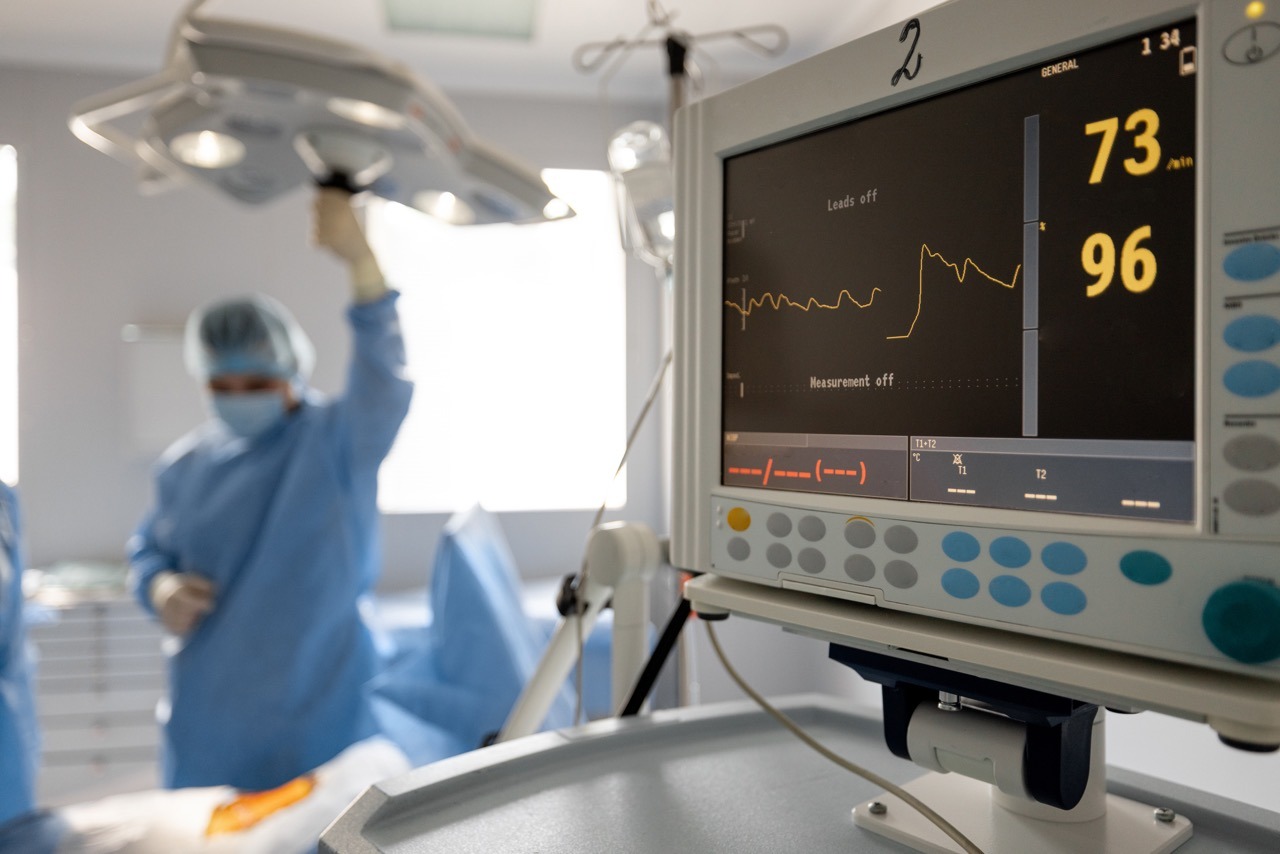
Every hospital department feels the impact of an EHR outage. The ICU feels it most acutely. The patients in an intensive care unit are, by definition, the most medically complex and clinically unstable in the facility. The workflows that sustain them, continuous vital sign documentation, real-time medication titration, ventilator management, multi-provider coordination, and hour-by-hour clinical assessment, depend on information systems in ways that do not allow for meaningful workarounds. When those systems go offline, the margin for error narrows at precisely the moment when patients can least afford it.
The ICU is not just another department to include in a downtime plan. It is the department that demands the most specific, most rigorously tested, and most thoroughly resourced downtime procedures in the facility. A generic backup plan that works adequately for a medical-surgical floor is not sufficient for the ICU, and the consequences of finding that out during an actual event are serious.
What the ICU Depends On from the EHR
The scope of EHR dependency in the ICU is broader and deeper than in most other clinical environments. Critical functions that rely on the EHR include:
- Continuous documentation of vital signs, ventilator parameters, and hemodynamic monitoring data
- Medication administration records for high-risk medications including vasopressors, sedatives, anticoagulants, and insulin drips that require precise dosing and ongoing titration
- Physician orders that may be updated multiple times per hour as the patient’s condition changes
- Clinical decision support alerts for drug interactions, dosing thresholds, and critical lab values
- Lab and imaging results that drive real-time clinical decisions
- Nursing assessments and flow sheet documentation that create the continuous record of the patient’s clinical trajectory
- Handoff documentation for the frequent shift changes and provider transitions that characterize ICU care
- Consultation and interdisciplinary communication logs
Each of these functions requires a specific, tested backup in the ICU downtime plan. Noting that staff will use paper during an outage is not a plan. It is a description of what will happen in the absence of one.
The Medication Safety Risk in the ICU During Downtime
Medication safety is the most critical patient safety dimension of ICU downtime, and it deserves specific attention in any backup plan. ICU patients are frequently receiving multiple high-alert medications simultaneously, and the precise management of those medications depends on access to current orders, current dosing parameters, and current documentation of what has already been administered.
When the EHR goes offline, ICU nurses lose access to:
- The current medication administration record showing what has been given, when, and at what dose
- Active orders for infusion rates and titration parameters that may have been updated by the physician minutes before the outage
- Drug interaction alerts that normally fire when a new medication is ordered or a dose is changed
- Barcode medication administration capability, which is the primary safety check before any medication is given at the bedside
dbtech’s Downtime Solution addresses the medication safety gap directly by maintaining a continuously updated copy of the medication administration record on downtime workstations through the HL7 data feed. When an outage begins, the MAR that was current at the moment the EHR went offline is immediately accessible to ICU nurses. Active infusion parameters and medication orders are available for reference. The clinical team is not starting from memory or from a printout that may be hours old.
The barcoded wristband capability is equally critical in the ICU. Because dbtech can print barcoded wristbands during a downtime event using pre-assigned downtime encounter numbers, the barcode scanning workflow for medication administration can continue rather than reverting to manual two-identifier verification. In a unit where nurses are managing multiple critically ill patients simultaneously, any reduction in the friction of medication safety verification directly reduces the risk of error.
Documentation Continuity in the ICU
ICU documentation requirements are more intensive than any other unit in the hospital. Hourly nursing assessments, continuous vital sign recording, ventilator management documentation, and the ongoing flow sheet that captures the patient’s clinical status are all functions that must continue during a downtime event. Deferring documentation until the EHR is restored is not clinically or legally acceptable in an ICU.
dbtech’s eForms allow ICU nursing staff to complete clinical documentation electronically during a downtime event in forms that are configured to mirror the unit’s existing workflows. Hourly assessments, vital sign records, and medication documentation captured in dbtech during the outage are stored electronically and exported back into the EHR after recovery through the bi-directional HL7 interface. The continuous clinical record is maintained without gaps, and the post-outage reconciliation process is structured rather than a manual reconstruction from handwritten notes.
The Handoff Problem in the ICU During Downtime
ICU handoffs are among the highest-risk moments in patient care under normal conditions. The SBAR framework, structured communication tools, and EHR-supported handoff documentation that most ICUs use are all designed to reduce the information loss that occurs at every provider transition. During a downtime event, all of those structural supports disappear at the same time that the information burden of the handoff increases because the incoming provider cannot independently verify what is in the record.
A strong ICU downtime plan includes a specific handoff protocol for use during outage events. Using dbtech’s eForms, outgoing nurses can complete a structured electronic handoff summary that captures current patient status, active medications and infusion rates, pending orders and expected clinical changes, and immediate safety priorities. The incoming nurse has a documented reference point rather than relying entirely on a verbal report. This handoff eForm becomes part of the post-outage electronic record and exports into the EHR along with the rest of the downtime documentation.
What an ICU-Specific Downtime Plan Must Include
A backup plan for the ICU that meets the standard of care for this environment needs to address each of the following specifically:
- Downtime workstation placement that provides nursing staff at every bedside cluster with immediate access to the current patient data and eForms without leaving the bedside area
- An ICU-specific medication safety protocol for the downtime period, including how infusion rate changes are communicated and documented without EHR order entry
- A defined process for critical lab value communication during downtime, since the automated alert pathways that normally route critical values to the ordering provider through the EHR are unavailable
- Specific procedures for patients who are pending procedures, interventions, or transfers during the outage, including how consent documentation and pre-procedure verification are handled
- A physician communication protocol for the downtime period, since order entry is unavailable and verbal orders carry increased risk without the normal documentation safeguards
To evaluate whether your ICU downtime plan meets this standard and identify specific gaps, schedule a dbtech Downtime Audit Assessment or request a demo to see how dbtech supports high-acuity unit downtime preparedness.