
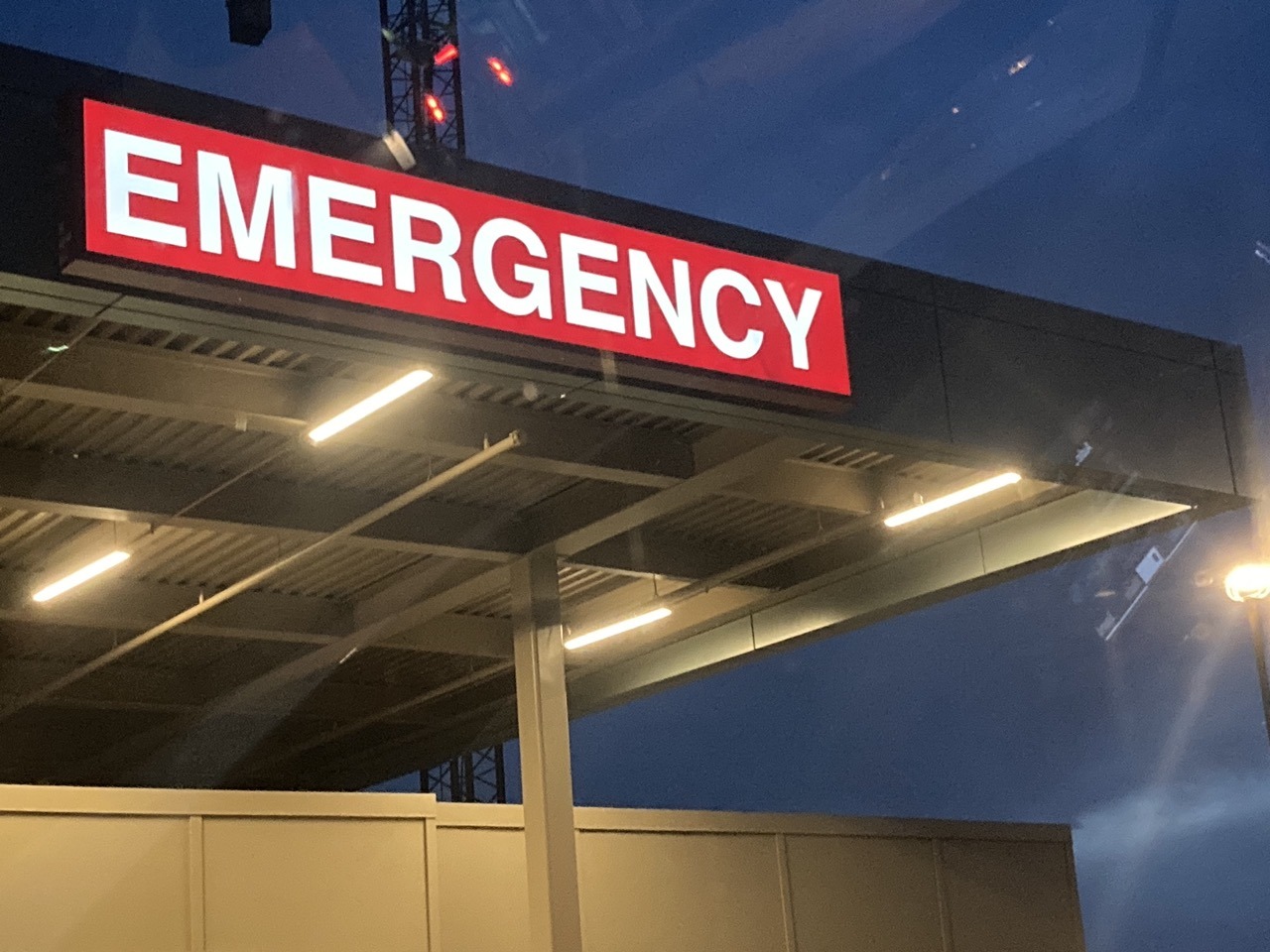
In most hospital departments, an EHR outage is a serious disruption. In the emergency department, it is a crisis.
The ED operates at a pace and with a level of acuity that leaves no room for manual workarounds. Every patient who walks through the door needs to be triaged quickly. Medications need to be ordered and verified. Lab and imaging orders need to move. Staff need to know who is in which bay, what has been administered, and what is pending. When those workflows depend on an EHR that is suddenly offline, the consequences are immediate and potentially dangerous.
This is why emergency departments have very specific requirements when it comes to downtime preparedness, and why a general-purpose paper-based backup plan is not sufficient for an environment where seconds matter.
What Happens to the ED When the EHR Goes Down
The moment an EHR system goes offline, the ED faces several simultaneous problems. Registration staff can no longer pull existing patient records, which means new encounters have to be created manually or with limited information. Nurses cannot access medication administration records, which introduces serious risk when giving any patient medication that requires reconciliation with their history. Physicians cannot enter orders, forcing a return to verbal and paper-based communication that is slower and more error-prone. Tracking patients across bays becomes difficult without the real-time census view that the EHR provides.
According to research published in the Annals of Emergency Medicine, EHR downtime in emergency settings is associated with increased patient length of stay, delayed medication administration, and measurable increases in staff workload. The burden falls disproportionately on nurses and registration staff who are left managing paper processes for which they may not have trained in years.
How dbtech Downtime Workstations Protect ED Operations
dbtech’s Downtime Solution is designed specifically to address this problem. Downtime workstations are deployed at predefined locations throughout the facility, including the ED, and are continuously fed live patient data through an HL7 interface while the primary EHR is running. That means that when the EHR goes offline, the downtime workstations already contain up-to-date patient census data, medication administration records, registration history, and other critical clinical information.
ED staff do not start from scratch. They open the downtime workstation and find the data they need already there.
From those workstations, ED teams can access the current patient census and see who is in which bay, look up existing patient history and medication records, register new patients electronically using downtime encounter numbers, print barcoded wristbands and labels, complete and sign electronic forms using dbtech’s eForms solution, and scan patient identification documents directly into the system. None of this requires paper. None of it requires staff to manually reconstruct records from memory or handwritten notes.
Physicians can access nursing notes that have been assigned to them. Patients that are flagged as critical, are highlighted so they can receive immediate attention.
Medication Safety During ED Downtime
One of the highest-risk areas during any downtime event is medication administration. In the ED specifically, patients frequently arrive with incomplete or unknown medication histories, making access to any available prior records critically important. The MAR within dbtech’s downtime workstations gives nurses a reference point for what has already been administered, reducing the risk of duplicate dosing or dangerous combinations.
The ability to document medication administration electronically during downtime, rather than on handwritten forms that have to be re-keyed into the EHR after recovery, also dramatically reduces the reconciliation burden once the primary system comes back online. dbtech’s bi-directional HL7 interface supports the export of downtime-collected data back into the EHR, so the patient record is complete and accurate from the moment care was initiated, not just from the moment the system was restored.
Training Staff Before the Outage Happens
One of the challenges ER departments face with downtime preparedness is that outages are infrequent enough that staff may not remember procedures when they need them. dbtech’s downtime workstations are intuitive by design, and many organizations use them during planned downtime windows as a way to give ED staff regular practice with the system. When the real event happens, the workflow feels familiar rather than foreign.
Scheduling a downtime assessment with dbtech’s team is a practical first step for any emergency department that wants to evaluate its current readiness and identify gaps before they become problems during an actual outage.
The Bottom Line for Emergency Departments
The ED is not a department where a clipboard and a stack of forms constitute a viable backup plan. The volume is too high, the acuity is too severe, and the margin for error is too small. dbtech’s downtime workstations give emergency departments a real backup infrastructure: electronic, integrated, and already loaded with the patient data staff need the moment an outage begins. To see how dbtech can support your ED’s downtime preparedness, request a demo today.